
Table of Contents
That morning alarm goes off, and what’s the first thing you do? If you’re like most people, you reach for your phone. But what if spending just 5 minutes differently could extend your life?
The Morning Ritual That Changes Everything
Scientists have discovered that dedicating just 5 minutes to deep breathing exercises first thing in the morning can dramatically impact your longevity. This isn’t some new-age fad or complicated wellness trend – it’s backed by research showing the connection between controlled breathing, stress reduction, and overall health.
When you incorporate a short breathing routine into your morning, you’re setting yourself up for better physical and mental health throughout the day. Many people report improvements in their energy levels, mood regulation, and even their interactions with others after adopting this simple practice.
What Happens in Your Body During Those 5 Minutes?
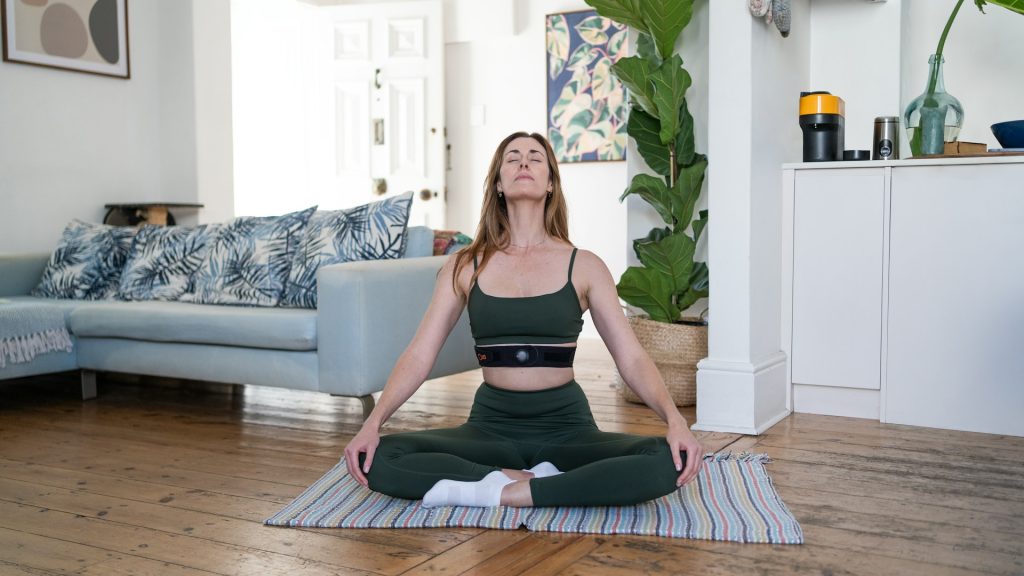
During those critical first 5 minutes of conscious breathing after waking:
Your cortisol levels stabilize instead of spiking, setting a calm tone for the day ahead. This single change reduces your risk of chronic inflammation, often called the silent killer behind heart disease, diabetes, and even cancer.
Your brain shifts from sleep inertia to alert clarity without the jarring stress response triggered by immediate phone checking or rushing. This activation pattern strengthens neural pathways associated with focus and emotional regulation.
Your blood pressure naturally lowers as oxygen floods your system properly, potentially adding years to your heart’s functional lifespan with each morning session.
The transition from sleep to waking is a vulnerable period for the cardiovascular system. How you manage those first few minutes creates a domino effect that impacts everything from your heart rate variability to your digestive system throughout the day.
The Simple 5-Minute Protocol Anyone Can Follow
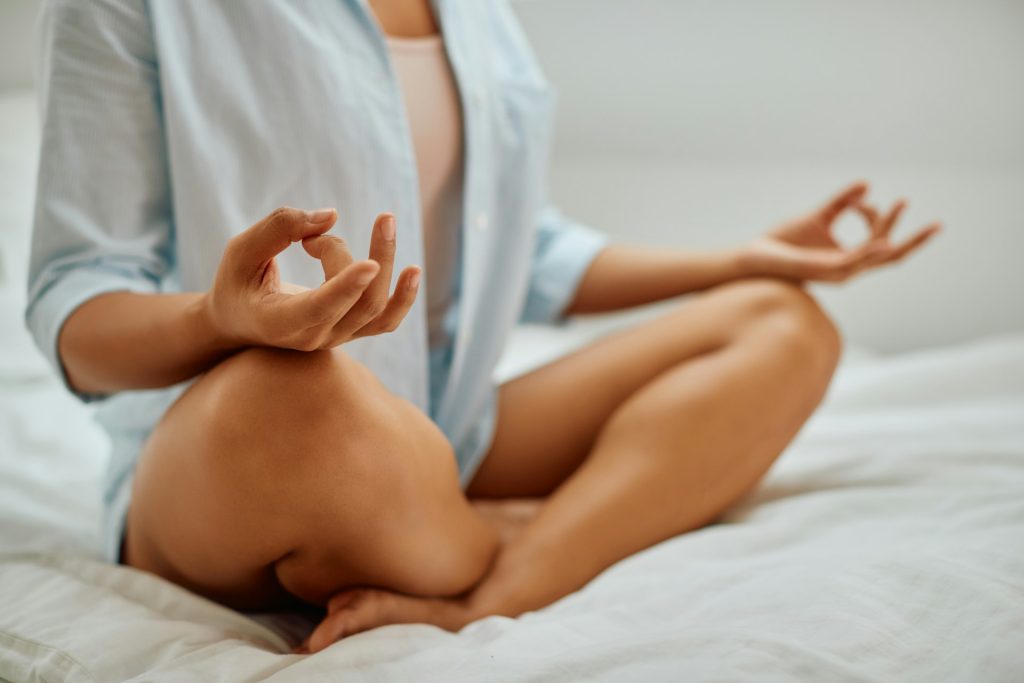
You don’t need special equipment, apps, or training to implement this life-changing habit:
Find Your Morning Position
When you first wake up, stay in bed, but sit upright if possible. This position helps maintain alertness while allowing your body to remain comfortable as you begin the practice.
Place Your Hands
Place one hand on your belly and the other on your chest. This hand position helps you feel and control the movement of your breath, ensuring you’re engaging in proper diaphragmatic breathing rather than shallow chest breathing.
Inhale Properly
Breathe in slowly through your nose for 4 counts, feeling your belly expand. The nasal pathway filters and warms the air, while the 4-count timing helps pace your breath and maximize oxygen intake.
Pause Briefly
Hold briefly for 1 count. This short pause allows your lungs to fully absorb the oxygen and signals your nervous system to maintain the calming rhythm you’re establishing.
Exhale Completely
Exhale slowly through slightly pursed lips for 6 counts. The extended exhale activates your parasympathetic nervous system more strongly than the inhale, deepening the relaxation response.
Complete Your Practice
Repeat for 5 minutes. This timeframe is short enough to be manageable yet long enough to trigger meaningful physiological changes in your stress response system.
That’s it. No complicated mantras or positions. Just focused breathing activates your parasympathetic nervous system – your body’s built-in stress reducer and longevity enhancer.
Why Most People Skip This Life-Extending Habit

Despite its simplicity and power, most people never adopt this habit. The reasons are revealing:
“I don’t have 5 minutes in the morning” is the most common excuse. Yet studies show the average American spends 9 minutes checking social media before getting out of bed. The irony? Those same platforms are filled with “life hacks” far more complicated and less effective than this 5-minute breathing practice.
Others believe the benefits must be exaggerated. However, research consistently shows connections between proper breathing techniques and improvements in various health markers, including stress hormone levels, blood pressure, and immune function.
“I’ll forget to do it,” is another common objection. This is why pairing the habit with waking up is so powerful – you’re building on an existing trigger that happens every single day.
Beyond Adding Years: The Day-to-Day Benefits
While the longevity benefits are compelling, the immediate improvements keep people coming back to this practice:
- Many practitioners report decreased chronic pain after establishing a regular breathing practice. The connection between stress reduction and muscle tension is well-documented by health professionals.
- Others notice improvements in their interactions with colleagues, family members, and friends. Starting the day centered often translates to better communication and patience throughout the day.
- Science explains these results. Morning breathing resets your autonomic nervous system, shifting you from the stress-response state many of us wake up into the rest-and-digest state that improves everything from digestion to immune function.
How to Make It Stick When Everything Else Has Failed

If you’ve tried and abandoned health habits before, you’re not alone. The key difference with this 5-minute breathing routine is its simplicity and immediate feedback loop.
Behavioral science recommends these steps to cement the habit:
Place a note on your phone or alarm clock as a visual reminder. Something as simple as “5 min = 5 years” can be enough.
Track only your consistency, not your results. Mark each day you complete the practice, focusing on building a streak rather than measuring outcomes.
Commit to just 30 days. This is short enough to feel doable but long enough to begin experiencing benefits that will motivate continuation.
Tell someone about your new habit. The accountability increases follow-through significantly.
The Difference Between Living Longer and Living Better
While this 5-minute habit can contribute to longevity according to health research, perhaps more importantly, it can add quality to your daily life.
People who practice relaxation techniques like morning breathing often report higher scores on quality-of-life assessments. They experience more positive emotions, better relationships, and greater resilience during challenges – all from 5 minutes that most people waste scrolling through their phones.
Chronological age isn’t the only measure that matters. Your biological age – how old your body seems based on cellular markers – can be significantly influenced by stress management practices like morning breathing.
Your Next 5 Minutes Could Change Everything
The beauty of this habit is that you can start right now. No shopping, planning, or preparation is needed. Tomorrow morning, when you wake up, before reaching for your phone or jumping out of bed, give yourself the gift of 5 minutes of deep breathing.
Your future self – potentially many years from now – will thank you for this small but powerful investment.
Sometimes, the most powerful health interventions are also the simplest. This 5-minute morning ritual costs nothing, requires no special equipment, and could be one of the most important habits you ever develop for your long-term health and happiness.

Hi! I’m Dave, a longtime biohacker focused on natural ways to improve health and performance. My work revolves around analyzing the science behind cognitive enhancers, nutrition, and longevity strategies. I’m particularly interested in natural nicotine products and their effects on focus and energy. Everything I share is based on research and real-world application, ensuring practical, reliable insights. Please note, none of the information shared here is medical advice.
Related posts:
 Want to Live to 100? Science Says These Habits Add 20+ Healthy Years to Your Life!
 Why People in Their 90s Swear by This One Daily Habit: The 20-Minute Secret to Longevity That’s Shocking Fitness Experts
 The Unexpected Role of Breathing in Longevity
 The Secret Morning Routine That Adds Years to Your Life